21
26 Feb 2020Exactly a quarter of a year ago, I turned 21. 21. The drinking and gambling age for most of the USA, the age squires used to become knights, the controversial “final” chapter of A Clockwork Orange that shows the protagonist finally growing up and maturing out of his old destructive habits. There is some sense of realized maturation that comes with this particular age that oddly didn’t come when I turned 20, the official end of teenagehood.
The day after my 21st birthday, I came across this NYT article, which talked about the Up documentary series by Michael Apted. The Up film series started in 1964 with “Seven Up!” which detailed the lives of 14 British school children. Since then, every 7 years, Apted and his team have returned with a new documentary that continues to document the same 14 individuals’ lives. The specific interviewing process for each person is always unscripted but the general themes revolve around hopes, dreams, experiences, regrets, and the big moments in the past seven years. It is without a doubt, one of the most fascinating looks at human life I’ve ever seen, filled with life lessons and tales of great victories, tragic losses, and the life in between. I found myself particularly affected by 21 Up, the 3rd edition of the series.
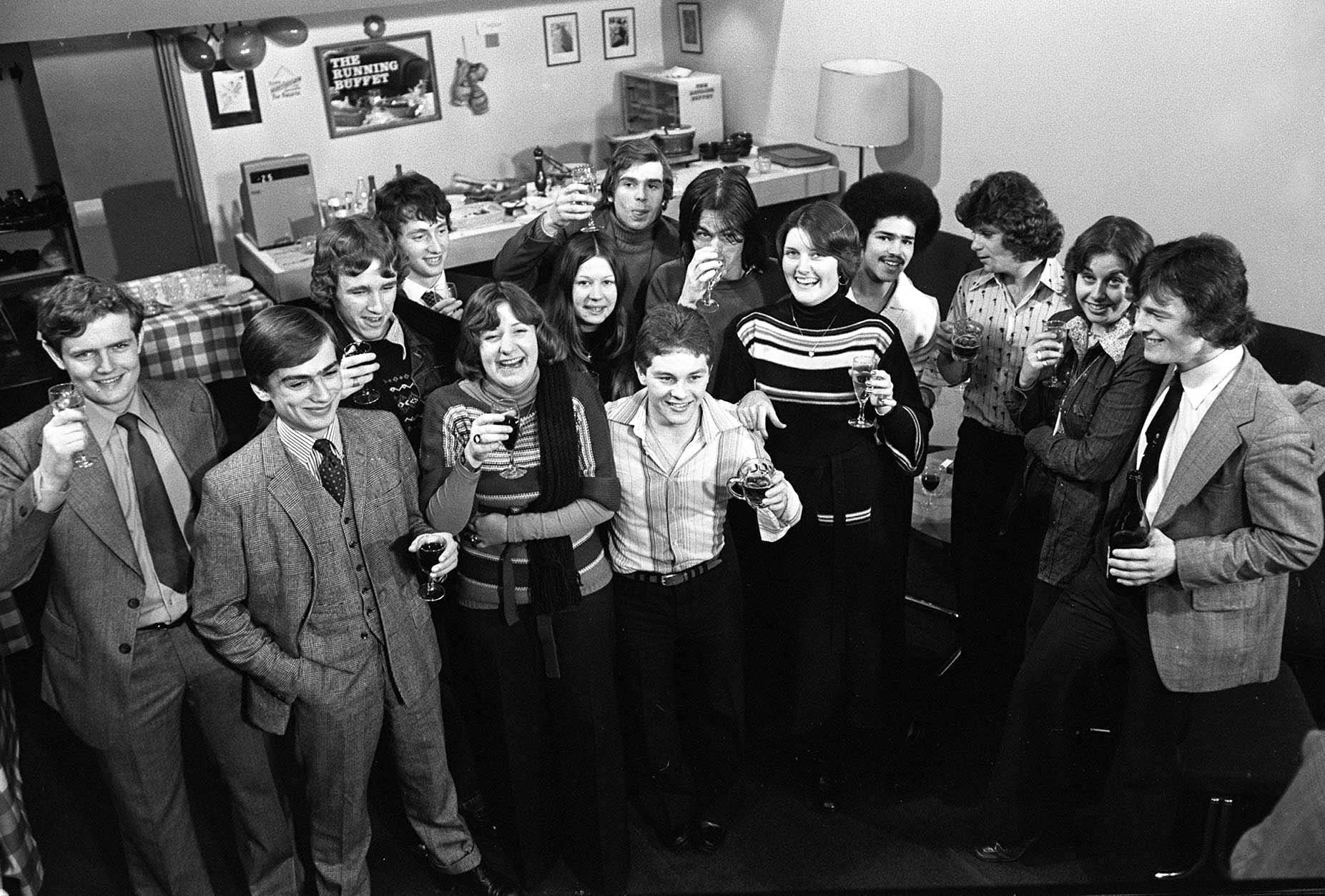
21 Up captures a unique period in life where youthful, wide-eyed dreams start to collide with reality. Some in the group started to slip towards complacency and settling for missed goals while others steadfastly clinged onto the bright burning ambitions of their teenage years. Something about the above photo invited me to stare intently at it. I looked at the faces of the individuals, their expressions, the confidence of youthful glow, the thoughts hiding behind their eyes. The smug confidence of Peter (2nd from left), the relaxed but cool raised glass of Neil (in the back), Suzy’s (2nd from right) rosy glance to the camera, these people seemed so full of life. This is me as I write these words, aged 21, the peak of my youth.
As I moved forward with each edition, I watched this young energy die as these people rapidly aged in compressed time. Conclusions to storylines in their lives became less than dramatic, often resolving to moments of great poignancy instead. As I reached present day with 63 Up (2019), I looked back on the photo from 21 Up and wondered where all the time went. I don’t write all of this to say that the stories of these individuals are depressing but rather that witnessing the progression of someone’s life in a matter of hours makes life feel entirely too short.
This experience changed the way I view history and time itself. In the weeks since this deep dive into the Up series, I have been captured in the worlds of so many past lives and stories. Maybe motivated by the two popular movies this year set in the World War eras (1917 and Jojo Rabbit), I found myself back reading deeply into these time periods as I used to once do (I touch more on that in my post “One Century Later”). My perspective reading into history had changed though, less concerned on overall events and macrohistory, I was picking individuals and reading into the stories of their lives much like what the Up series does for its group. In my feverish rabbit hole of readings, I came across a photo of 20 year old Nancy Pelosi with JFK, the story of Jeanne Calment - the oldest person to have ever lived, this heart wrenching New Yorker documentary on the last conversation between a senior couple being captured on an answering machine, and a lookback on the life of the recently passed away French New Wave actress, Anna Karina.
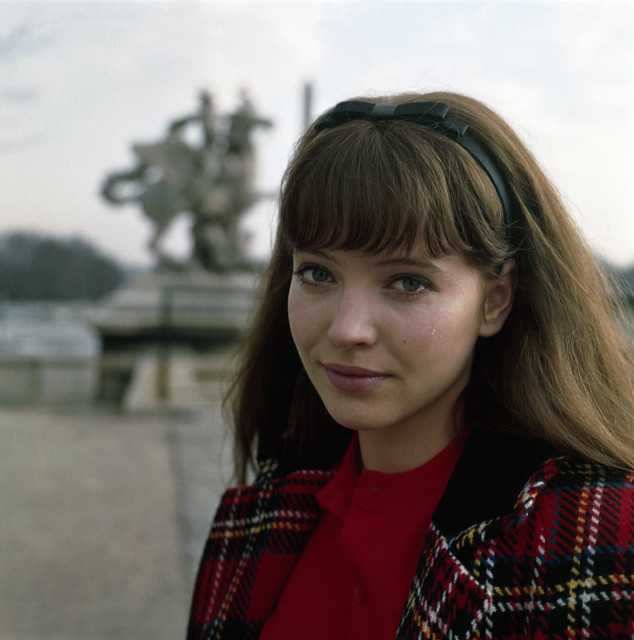
Each of these individual stories touch on different themes but what unifies them, or rather what really stood out to me, is how striking it remains to fast forward through a life with photos, videos, Wikipedia summaries, or whatever the like. Looking at images of Anna Karina in the 60’s/70’s in the thick of her career, as most people would remember her, and then immediately jumping to footage of her from a mere few years ago is certainly remarkable. I don’t mean this to be a comment on whether she aged well or poorly, but instead one on how it can be astonishing to look at someone in the prime of their youth compared to as an elder and reconcile that these two people are one and the same. Youthful beauty fades, even for someone such as Anna Karina who had such abundance of it, and the decades of life lived settle in and mark themselves like an open diary. I don’t find this to be particularly upsetting oddly enough, it is almost gratifying to see the accumulation of life experiences display itself in such bold impartiality.
Of course, youth is more than physical beauty. With the Nancy Pelosi picture, I still feel the same disconnect between her younger and older self as I do with Anna Karina but for different reasons. The photo reveals Pelosi as a bright eyed college student with an unmistakable youthful energy and excitement to meet the president, a person hard to uncover from her present day image as a confident and senior member of government. While it is true that one can hold onto this youthful exuberance in a way that one cannot with young beauty, this energy and excitement still changes with the years and in the case with the Nancy Pelosi, can alter to a point where much like Karina, it is hard to envision the older person having once been the younger one.
Enhanced by our modern technology and “Information Age” of the 21st century, the past can feel so alive. I embarrassingly admit that it was rather recent that I discovered that the infamous Afghan Girl photograph was in fact taken in 1985.
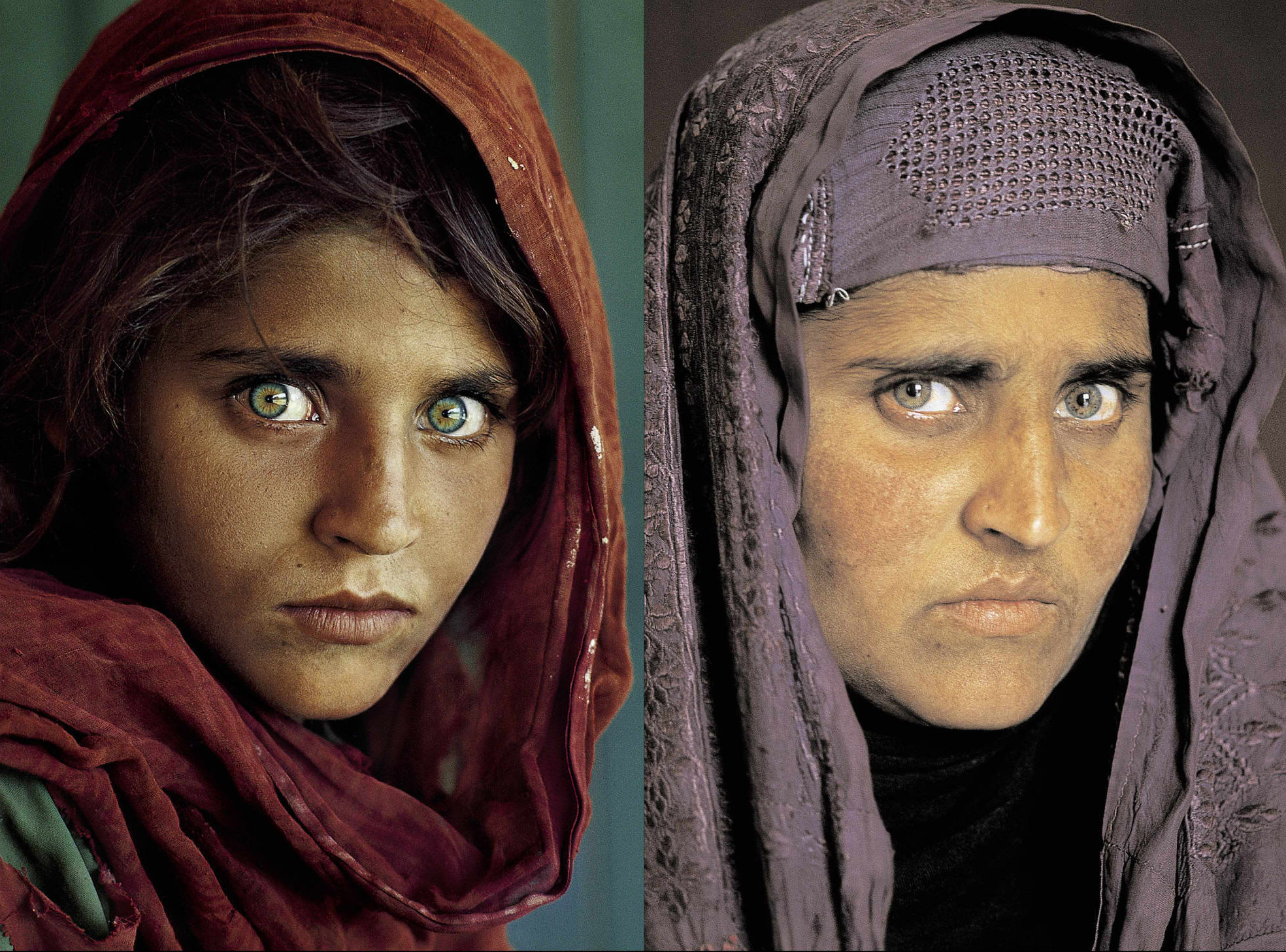
The picture quality feels so modern, it looks like that photo could have been taken yesterday with modern technology. It isn’t dated through black and white or grainy film like so many other photos of the 20th century. As current photographic technology approaches full realism and photos hide their age better, I wonder how this will affect the way we view historical documents decades in the future. When I found out how old Afghan Girl really was, I rushed to find an update on the girl’s life and found the 2002 National Geographic feature where they caught up with her and retook a similar photo of her. Much like Anna Karina, the loss of youth is so evidently expressed through physical changes. Her skin less tight on her face, her once piercing pupils no longer so vibrant, her eyes once gleaming with tenacity, they now unveil a life of weathered endurance. But, if one looks a little closer and peers behind the natural changes of aging, one can catch a glimpse of the younger person they once were, hiding within. Gula’s sharp eyes may have dulled but they tell the same story of a life filled with adversity that her younger eyes did. They are passages into different chapters of the same book though the story between them can be long drawn out. The same holds for Pelosi, Karina, or anyone for that matter.
Part of my difficulty to acknowledge the shared continuity between two distant periods of a person’s life is because it means understanding the pages between them. I am reminded of this excerpt from Robert Heinlein’s Stranger in a Strange Land:
Anybody can look at a pretty girl and see a pretty girl. An artist can look at a pretty girl and see the old woman she will become. A better artist can look at an old woman and see the pretty girl that she used to be. But a great artist — a master — and that is what Auguste Rodin was — can look at an old woman, portray her exactly as she is… and force the viewer to see the pretty girl she used to be…. and more than that, he can make anyone with the sensitivity of an armadillo, or even you, see that this lovely young girl is still alive, not old and ugly at all, but simply prisoned inside her ruined body. He can make you feel the quiet, endless tragedy that there was never a girl born who ever grew older than eighteen in her heart…. no matter what the merciless hours have done to her (Robert Heinlein, Stranger in a Strange Land)
A few years ago, the music school that I grew up with invited some alumni to return to be part of the regular holiday concert for an anniversary year of the school. The yearly holiday concert is one of tradition where the youngest musicians are placed in the front row and the seniority of the students increases with each preceding row. When a particular instrument group isn’t playing, the students remain on stage but sit down on the ground with legs folded criss cross applesauce. The youngest musicians at the front of the stage often get restless during these periods of silent idleness and often pick at their instrument placed in front of them. Though I was technically an alumni, I was only a couple years removed from my own graduation so this old routine came back to me rather easily. The alumni were placed at the very back of the stage as we technically were the most senior.
The ages of the returning alumni ranged from recently graduated like myself to parents old enough to have kids of their own playing on stage (and I think a few of them did in fact). I was fascinated seeing some of these middle aged adults smile as they relived experiences from their own childhood such as lining up backstage in a cramped and hushed manner, playing twinkle twinkle little star, and of course, sitting criss cross applesauce on the open stage in the concert hall as other instruments took their turn to play. It was during one of these idle moments where us violins were waiting for our turn to play that I really felt the above quotation from Stranger in a Strange Land.
The cellos were playing the 3 part arrangement of Suzuki’s French Folk Song and the young kids in the front of the violin section were plucking away at their strings as teachers off to the side of the stage furiously signalled to them to stop (to no avail). There was one alumni in front of me probably in her late 30’s who had grown tired of the criss cross applesauce sitting and was now leaning on her left hand placed behind her as she sat on the side of her legs. With her right hand, she too had taken to plucking around on her violin which laid on the ground in front of her. As the cellos continued to play, the stage lights repositioned and the light was now backlighting one of the little girls at the front of the stage. In what felt like heavy handed symbolism, the light cast a dramatic line down from this girl at the front to the woman at the back. They were sitting in near identical positions, head tilted the same way, in the same world of boredom or indifference that compelled them to escape to the wonder of their own instrument. The lighting made the woman in front of me look as if she was a shadow of the girl in front or rather vice versa. In this poetic parallel, I realized that this woman had once been the young girl at the front, and not only that, but that little girl still lives in her, alive and well, and forever will.
To bring this all the way back to turning 21, simply put, I am going to miss being young. I know that sounds so ridiculous coming from someone who is only 21 years old but all of the above reflection is a result of me coming to terms with the fact that one day I’ll look back to where I am now and say: “I miss it”. I’ll miss having a body that doesn’t argue and allows me to pursue my competitive athletic pursuits. I’ll miss the feeling of endless choice with what I want my life to be. I’ll miss thinking that there is enough time in the world for me to do everything I want. I’ll miss being the youth that all the songs and movies talk about. When I talked to my brother during my brainstorming for this piece, he cautioned me that excessive reflection like this comes with opportunity cost especially at my age and he’s probably right. But with that in mind, I do think it’s important to ruminate about topics like this, especially being young, because it forces one to evaluate their own life, who they are, and where they want to be. I want to live a life dense and full of stories and experiences so that decades down the road, when I look back to this current time in my life, I am met with someone distinctly different but wholly the same. And with this in mind, I eagerly anticipate tomorrow, ready to experience life and write the next paragraph in my story.